Capacity: 100,000 kVA to 200,000 kVA for typical reference autotransformer configurations; other ratings available according to project requirements
Rated Primary Voltage: 132 kV
Rated Secondary Voltage: 220 kV
Frequency: 50 Hz standard for the referenced grid applications; 60 Hz available subject to project-specific design
Phase: Three-phase
Vector Group: YNa0 for applicable two-winding autotransformer configurations; YNa0d11 for designs with a tertiary delta winding
Impedance Voltage: Project-specific; approximately 10% to 15% may be used as an initial reference for certain 100 MVA autotransformer designs
Note: The above capacity and impedance values are reference ranges, not universal ratings. Final specifications must be confirmed according to the transformer design, grid requirements, and approved technical datasheet.
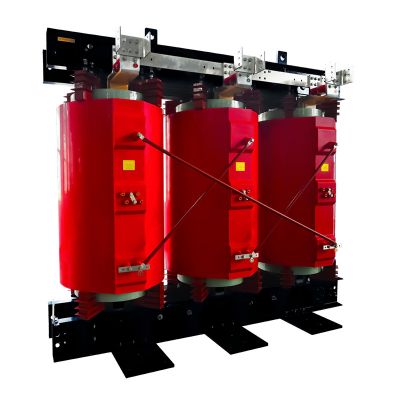
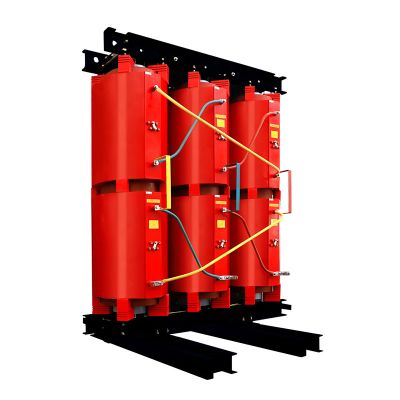
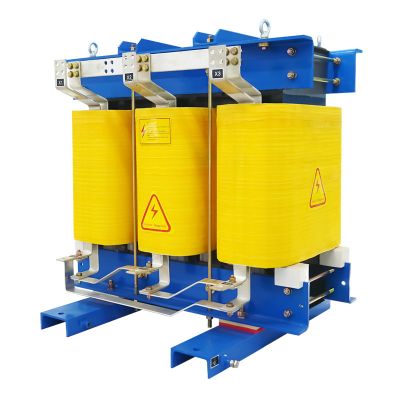
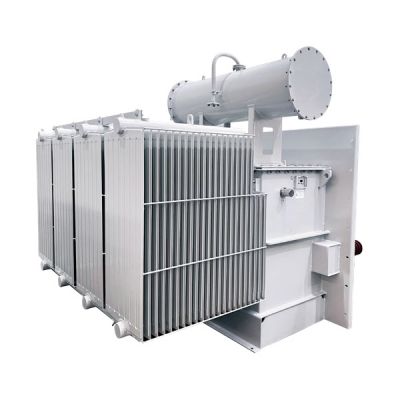
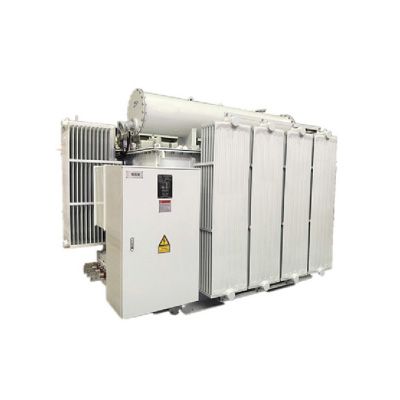
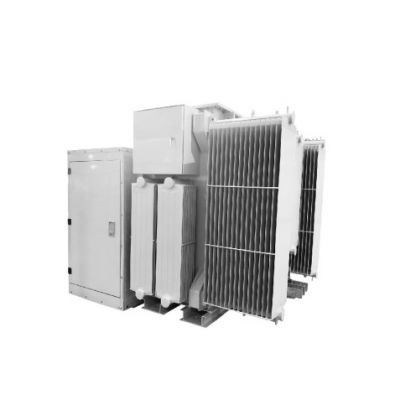
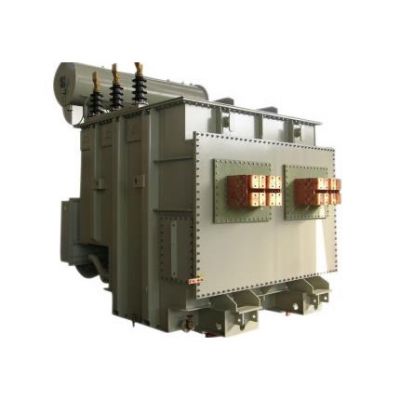
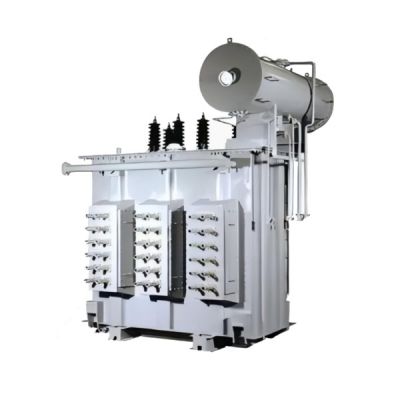
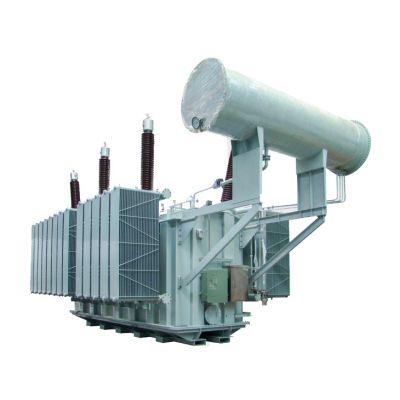
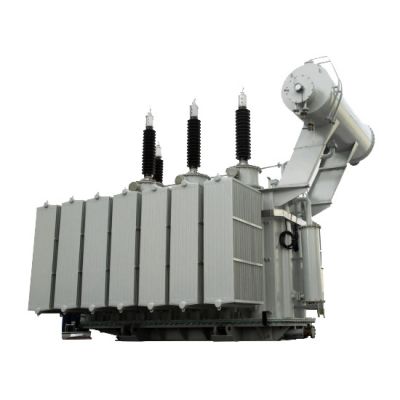
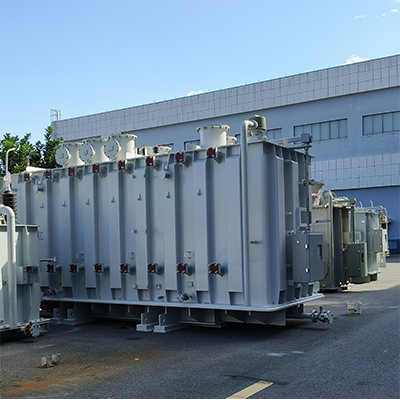
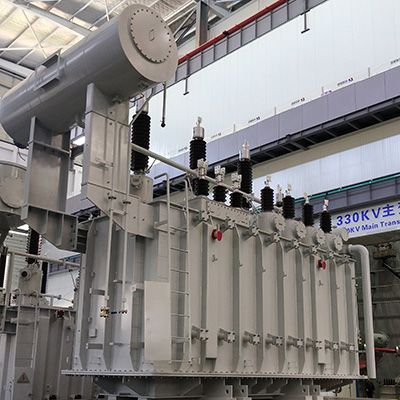
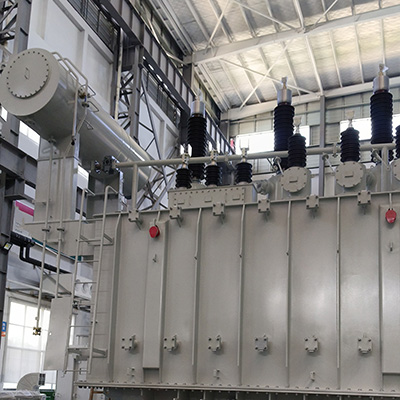
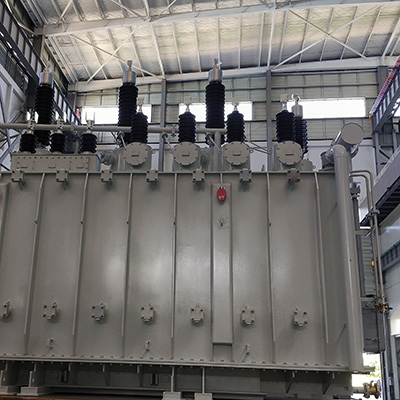
The 132kV to 220kV Step-Up Power Transformer is designed to increase voltage from 132kV to 220kV for high-voltage transmission networks, power generation facilities, and grid interconnection projects. Depending on the electrical system and project requirements, an appropriately designed autotransformer or two-winding transformer can be selected.
For suitable autotransformer applications, the shared winding structure provides an efficient solution for interconnecting 132kV and 220kV networks. A tertiary winding can be incorporated where required for auxiliary power supply, reactive power compensation, or other system-specific applications.
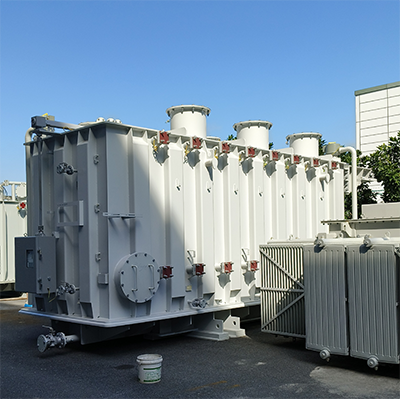
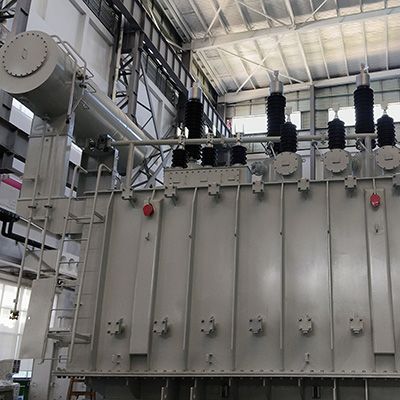
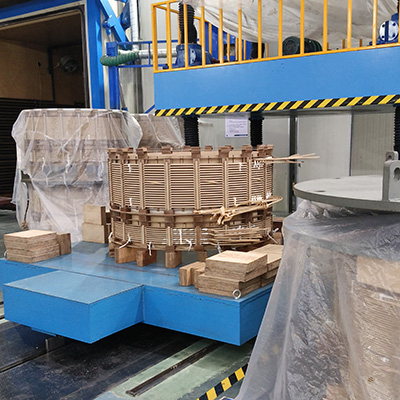
The transformer can feature an optimized magnetic core, reinforced winding structures, and a high-performance insulation system to support efficient power transfer, controlled temperature rise, and reliable operation. Cooling arrangements and an on-load tap changer (OLTC) can be selected according to capacity, operating conditions, and voltage regulation requirements.
As a 132kV to 220kV Transformer Manufacturer and Supplier, we provide customized solutions for power plants, transmission substations, utility grids, and large-scale energy projects. Transformers can be designed in accordance with applicable IEC 60076 or specified IEEE/ANSI standards, with routine tests and agreed type or special tests performed according to the approved technical requirements.