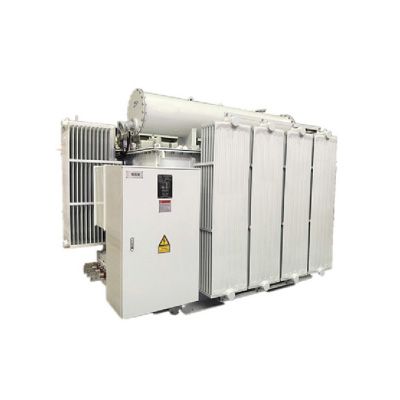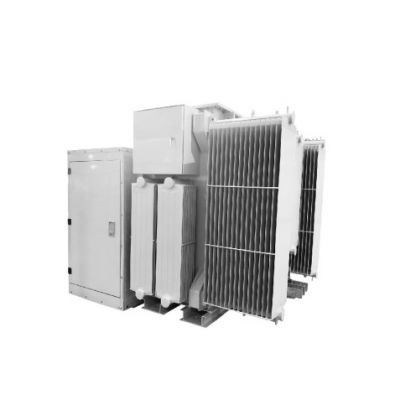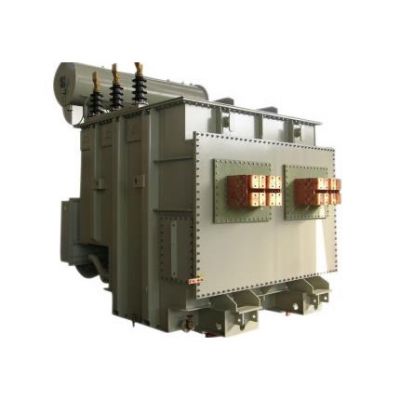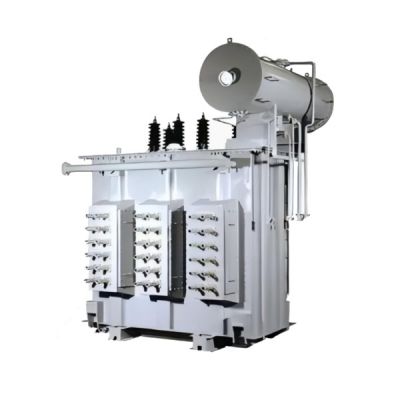
Capacity: 60,000 kVA to 250,000 kVA, depending on transformer design and project requirements
Rated Primary Voltage: 150 kV, with a customized tap range
Rated Secondary Voltage: 11 kV, 33 kV, 66 kV, 110 kV, or other project-specific voltages
Frequency: 50 Hz or 60 Hz, according to grid requirements
Phase: Three-phase
Vector Group: YNd11, YNyn0, or other configurations according to winding design
Impedance Voltage: Typically 10% to 14%, subject to rated capacity, winding configuration, and project specifications
Note: The capacity range and impedance values are indicative design references. Final specifications shall be confirmed in the approved technical datasheet
Product Overview
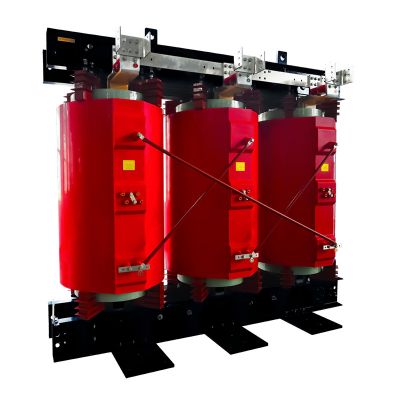
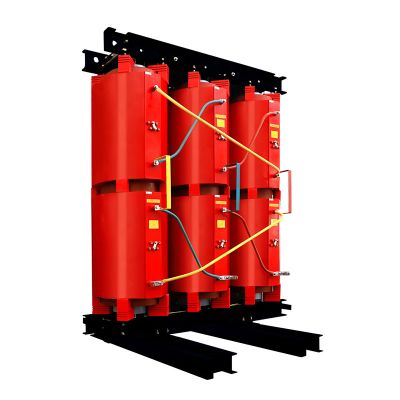
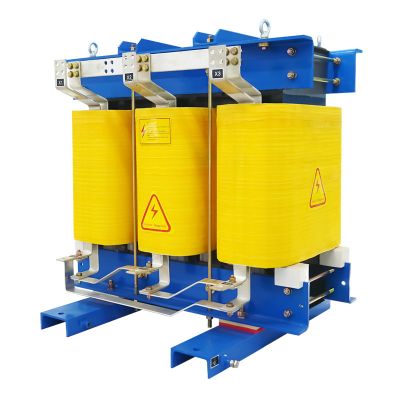
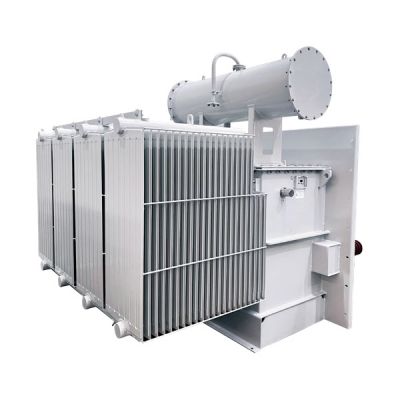
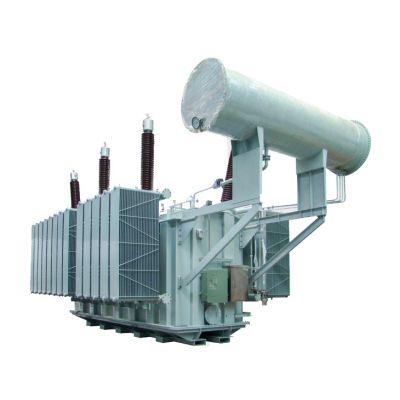
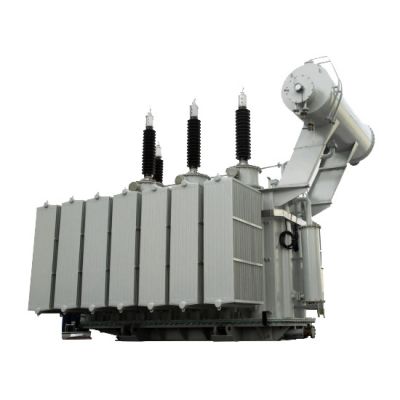
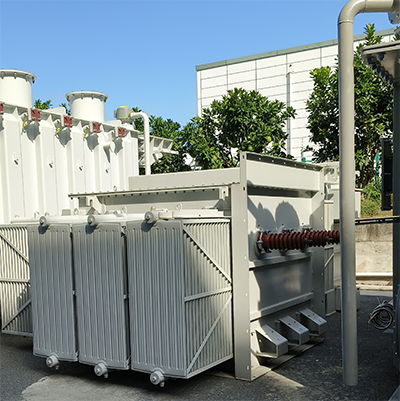
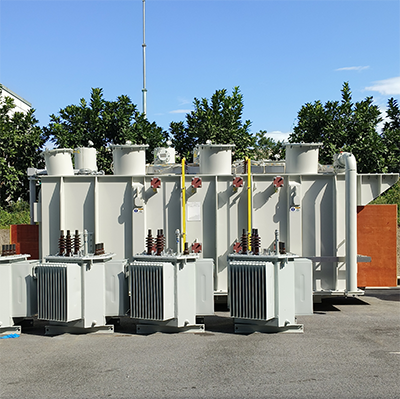
The 150kV Power Transformer is designed for high-voltage power transmission, substation construction, and large-scale industrial power systems. It provides efficient voltage conversion and stable power delivery for utility grids, power generation facilities, renewable energy projects, and industrial infrastructure.
Featuring an optimized magnetic core, precision-engineered windings, and a high-performance insulation system, the transformer is designed to reduce power losses, control temperature rise, and improve operational reliability. An on-load tap changer (OLTC) can be incorporated to regulate output voltage under load, depending on project requirements.
Available in customized voltage combinations, including 150/33kV, 150/66kV, and 150/110kV, the 150kV Power Transformer can be engineered to meet different grid configurations and operating conditions. Cooling methods, impedance voltage, insulation levels, and winding arrangements are selected according to the technical specification and applicable standards.
As a 150kV Power Transformer Manufacturer and Supplier, we provide customized transformer solutions for utility substations, transmission networks, renewable energy integration, and large industrial facilities. Each unit can undergo routine tests and specified type or special tests in accordance with the agreed technical requirements and applicable IEC 60076 or IEEE/ANSI standards.