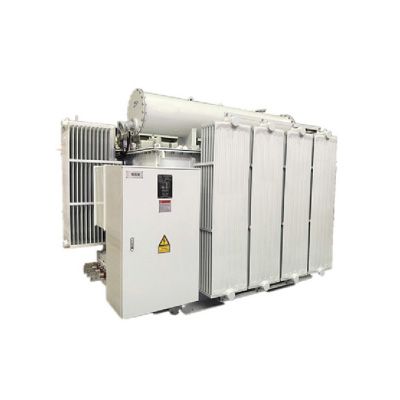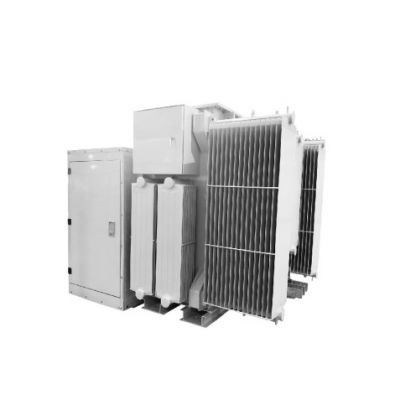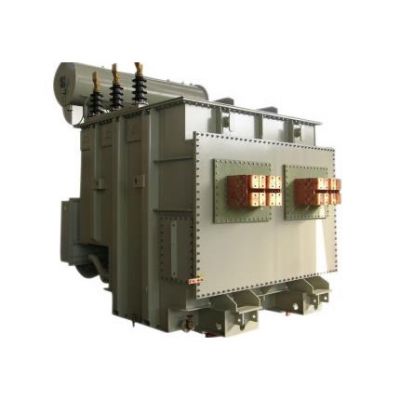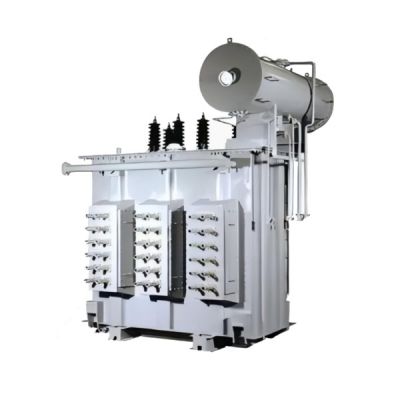
Capacity: 60,000 kVA to 400,000 kVA, depending on design and project requirements
Rated Primary Voltage: 230 kV, with a customized tap range
Rated Secondary Voltage: 34.5 kV, 69 kV, 115 kV, 138 kV, or other project-specific voltages
Frequency: 50 Hz or 60 Hz, according to the power grid requirements
Phase: Three-phase
Vector Group: YNd11, YNyn0d1, or other configurations according to winding design
Impedance Voltage: Customized according to rated capacity, winding configuration, and system requirements
Note: The above capacity range is an indicative design range, not a universal rating. Final specifications shall be confirmed in the approved technical datasheet.
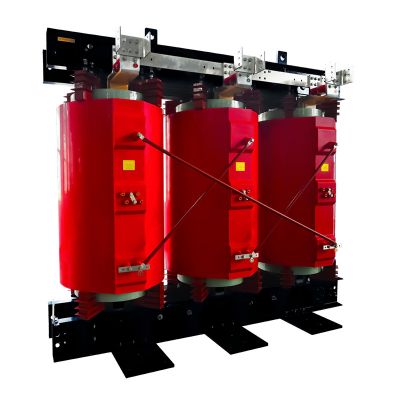
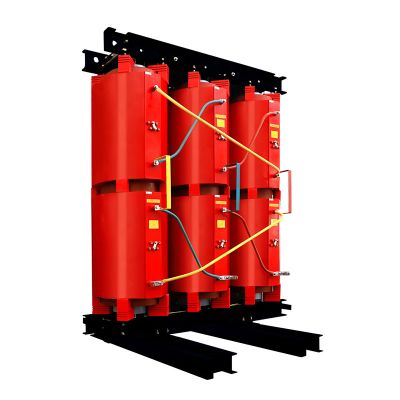
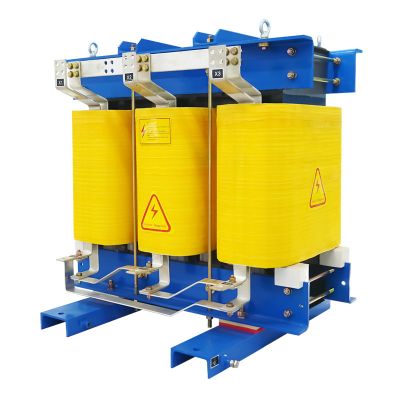
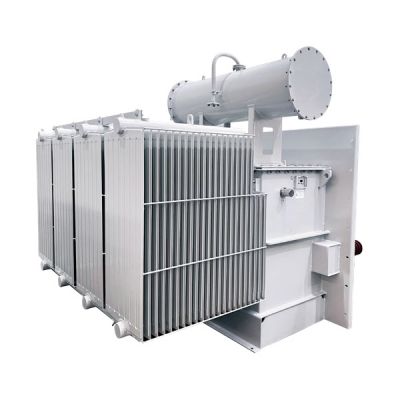
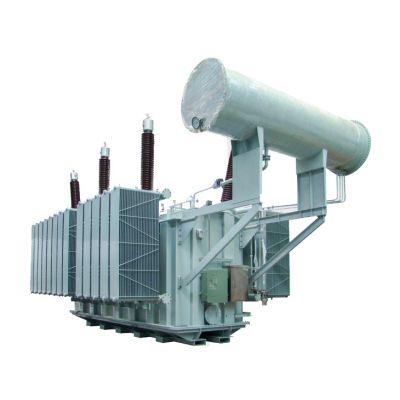
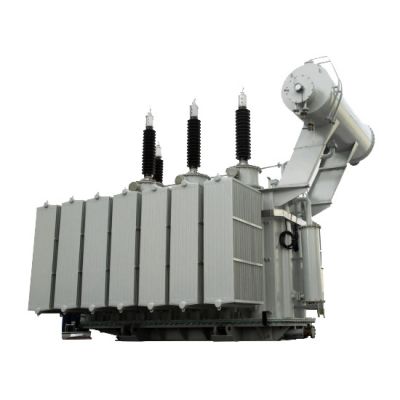
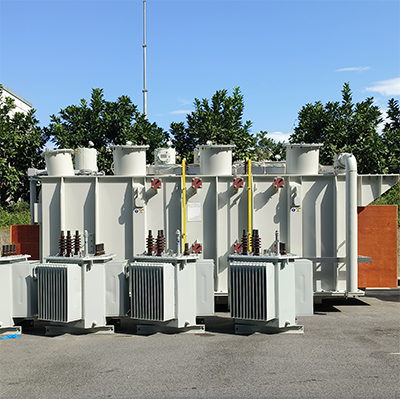
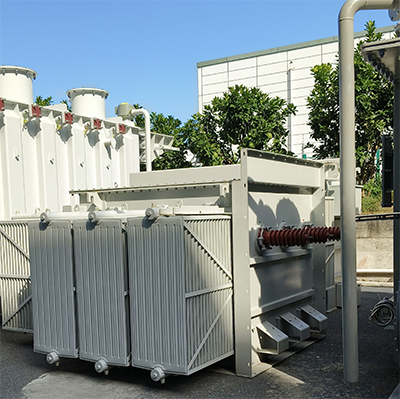
The 230kV Power Transformer is designed for high-voltage power transmission, grid interconnection, and large-scale substation applications. It provides efficient voltage conversion and stable power delivery for utility grids, power generation plants, renewable energy projects, and large industrial facilities.
Featuring an optimized magnetic core, precision-engineered windings, and a high-performance insulation system, the transformer is designed to reduce power losses, control temperature rise, and maintain reliable operation under varying load conditions. An on-load tap changer (OLTC) can be incorporated to support voltage regulation under load, depending on project requirements.
Available in customized voltage combinations, including 230/34.5kV, 230/69kV, and 230/115kV, the 230kV Power Transformer can be engineered to meet different grid configurations and application requirements. Cooling methods, impedance voltage, insulation levels, and winding arrangements are selected according to the technical specification and applicable standards.
As a 230kV Power Transformer Manufacturer and Supplier, we provide project-specific transformer solutions for transmission substations, utility infrastructure, renewable energy integration, and industrial power systems. Each unit can undergo routine tests and specified type or special tests in accordance with the agreed technical requirements and applicable standards, including IEC 60076 or IEEE/ANSI standards.